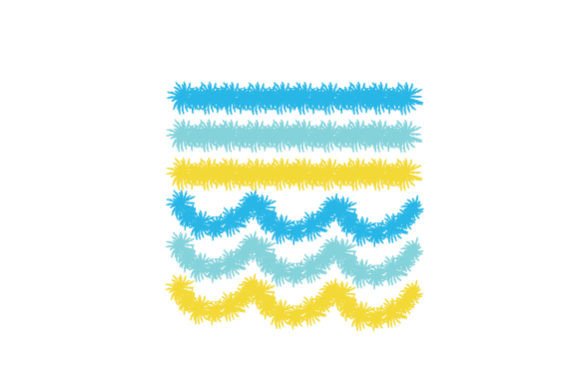
A Watercolor Twist on Classic Christmas Tinsel
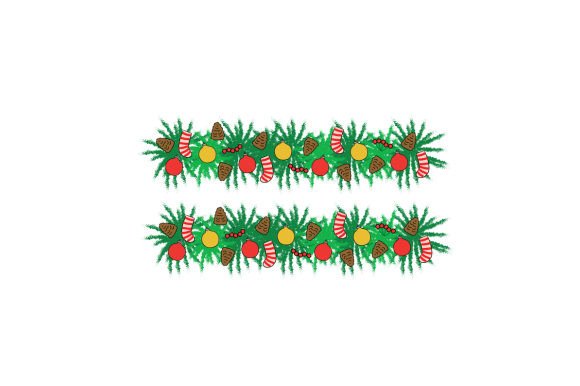
When I first saw the Christmas Tinsel - Watercolor design, I paused. It wasn’t the traditional, rigid metallic garland you often find. Instead, it felt soft, almost whimsical, like a memory of Christmas morning drawn with a gentle brush. As a designer who evaluates embroidery files for real-world use—from client apparel to my own shop’s merchandise—that first impression is crucial. This design creates a mood of nostalgic warmth, perfect for projects that aim to feel personal and handmade rather than mass-produced.
Where This Design Naturally Belongs
The layout is forgiving, with flowing shapes that suggest movement. The detail level is just right: not overly complex, but with enough character to stand out on a finished product. Its visual personality leans cozy and artistic. I immediately thought it would shine on a custom embroidered sweatshirt or a tea towel for a holiday kitchen. Picture a cozy, heather gray sweatshirt with this design centered on the chest, stitched in a palette of muted greens and soft golds. It feels like a wearable piece of holiday art, something a customer would treasure and reuse season after season.
For small business owners and Etsy sellers, this aesthetic translates well. It elevates a simple product, like a pillow cover or an apron, into a boutique-worthy item. The watercolor style adds perceived value; it looks carefully crafted. I’d also consider it for personalized holiday gifts, such as embroidered baby blankets or nursery decor, where the softer theme aligns beautifully with a gentle, festive vibe.
The Real-World Embroidery Test
Let’s talk performance. I envision using this embroidery file on a natural canvas tote bag for a craft fair listing. The design’s flowing lines should translate well into satin and fill stitches, creating a lovely textured look. On apparel like t-shirts or sweatshirts, the key will be stabilizer choice—a good, cutaway stabilizer will support the design without compromising the fabric’s comfort, especially on stretchy fabrics.
For caps or curved surfaces, the design’s overall shape looks adaptable, but I’d be mindful of the more detailed corners. A smaller hoop size might require some testing to ensure those flowing tinsel ends remain clear and don’t become overly dense. On dark fabric, thread color contrast is paramount. You’d need to select a palette that pops against navy or black, perhaps using brighter metallic threads for the highlights within the watercolor effect.
Where a Designer Should Proceed with Care
This design invites thoughtful application. On very thin fabrics, like a delicate linen, the stitch density could potentially cause puckering if not properly managed. For products destined for frequent washing, such as kitchen towels or baby clothes, securing those stitches with a robust stabilizer and testing durability on scrap fabric first is a non-negotiable step. When considering tiny details—like the subtle shading implied by the watercolor style—it’s wise to run a test stitch-out. This confirms whether your machine embroidery design and chosen thread colors render the soft gradients effectively, maintaining that artistic appeal on the final product.
Also, for layered garments or textured fabrics like a waffle-knit blanket, the design’s clarity could be affected. A simpler, smoother fabric backdrop often serves a detailed design best. And if you’re thinking of creating an embroidered patch, the design’s outline needs to be crisp enough to stand alone when appliquéd onto another material.
Impact on Your Craft Business and Customer
Using Christmas Tinsel - Watercolor effectively can directly influence customer trust and engagement. When a handmade product showcases a design with this level of artistic flair, it communicates professionalism and care. It elevates a simple holiday gift into something special. For digital product sellers offering printable mockups or design assets, this file serves as a strong, versatile foundation. Its theme is clearly Christmas, yet its execution is Crafts-oriented in a sophisticated way, making it suitable for a range of commercial embroidery projects beyond just the obvious.
The design aids in brand consistency for a small shop focusing on handmade, artistic goods. It feels cohesive alongside other watercolor or illustrative styles. For an apparel decorator, it offers a fresh alternative to standard holiday logos, potentially attracting customers looking for unique custom apparel. The giftability factor is high—it looks like something made to be cherished.
Practical Notes Before You Hoop the Fabric
My final advice, as someone who stitches for both personal and commercial projects, is always to test. Run this design on a piece of scrap fabric identical to your project base. Check the provided formats—SVG, PNG, EPS, DXF—and confirm they are compatible with your system for a smooth workflow. Inspect the small details in your test stitch-out. Compare how it looks on both light and dark fabric backgrounds in a black and white mockup to plan your thread strategy.
Always use proper stabilizer for the specific fabric. And critically, before selling finished items or digital products derived from this file, confirm the licensing terms. Understanding whether the design is cleared for commercial use is essential for protecting your craft business and your customers.
Christmas Tinsel - Watercolor is more than just a festive graphic. It’s a design asset with the potential to bring a warm, handmade touch to your holiday projects. By approaching it with a designer’s eye for practical application—considering fabric, stitch execution, and end-use—you can create embroidered pieces that truly resonate, turning a simple embroidery project into a standout finished product.