A Graphic Designer's Review: The Watercolor Lily Mug Wrap for Crafts & Branding
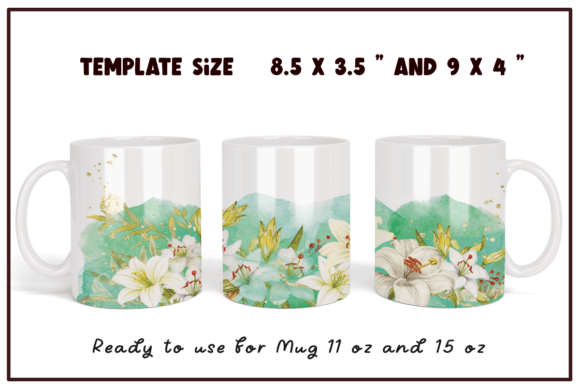
When a new design asset lands in my inbox, I'm not just looking at a picture. I'm looking for a tool—a strategic piece that can elevate a brand's visual communication. This week, I'm examining the Watercolor Lily Flowers Coffee Mug Wrap before integrating it into a real campaign. The immediate impression is one of soft, natural elegance. This isn't a bold, graphic statement; it's an atmospheric, emotive backdrop. The delicate lily illustration with its watercolor texture evokes a sense of calm, craftsmanship, and organic beauty. It feels perfectly suited for branding that leans into handmade products, lifestyle content, wellness themes, and premium, personal touches.
First Impressions: Setting the Mood for Audience Connection
The success of any marketing visual hinges on the mood it creates within seconds. This graphic design asset immediately establishes a gentle, premium tone. It influences audience perception by suggesting care, attention to detail, and a connection to nature. For a client launching a new line of herbal teas, a mindfulness journal, or a boutique ceramic studio, this asset provides an emotional tone of serenity and authenticity. It would feel less suitable for a loud, energetic tech startup but ideal for brands built on trust, personal stories, and curated experiences.
From ZIP File to Campaign Hero: Real-World Marketing Applications
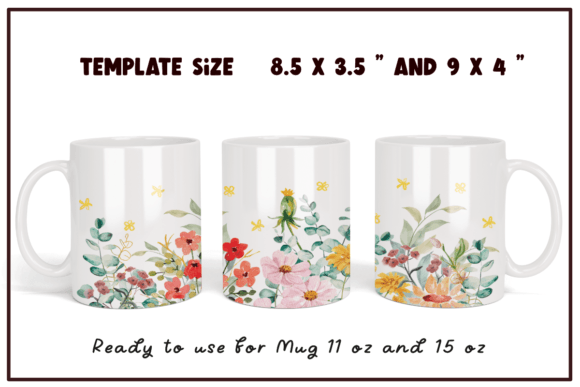
The practical value of this digital product lies in its versatility. The instant download with two high-resolution PNG files—one sized for an 11 oz mug, another for a 15 oz mug—means it's ready for action. In a real project, say a seasonal "Spring Renewal" campaign for a lifestyle blogger or a small business product launch, this Watercolor Lily Flowers Coffee Mug Wrap becomes a cornerstone for visual consistency.
Let's map it to specific marketing and branding situations:
- Social Media Graphics & Digital Ads: This illustration can serve as a beautiful, textured background for Instagram posts announcing a new product or Pinterest pins driving traffic to a tutorial. Its 300 DPI resolution ensures quality even when cropped.
- Packaging Design & Product Presentation: While it's designed as a mug wrap, the artwork itself can be extracted. It could grace product labels for bath salts or honey jars, or become a decorative element on a packaging insert, instantly elevating the unboxing experience and building audience trust.
- Content Marketing & Editorial Design: Imagine it as a full-width header on a blog post about "Creating a Morning Ritual," or as a soft banner in an email newsletter promoting a digital workshop. It provides clear visual hierarchy, framing text without competing with it.
- Brand Identity & Merchandise: Beyond the mug, the lily could be used on stickers, downloadable desktop wallpapers as a lead magnet, or within a media kit to convey the brand's aesthetic.
Aligning Asset Strengths with Core Marketing Goals
How does this creative design directly support business objectives? Its application leads to tangible outcomes:
- Stronger First Impression & Professional Appearance: Using a cohesive, high-quality visual like this across touchpoints makes a small business branding effort look deliberate and polished.
- More Consistent Branding & Stronger Recognition: When the same watercolor style appears on a mug, a Facebook ad, and a blog graphic, it reinforces brand memory.
- Emotional Connection & Better Engagement: The soft, artistic style invites a feeling, not just a transaction. This can improve engagement in social media visuals and make campaign visuals more memorable.
- Better Product Presentation: For a creative entrepreneur selling physical goods, this wrap or its derivative artwork presents products as thoughtful gifts or lifestyle accessories.
The Ideal Canvas: Where This Design Asset Works Best
In my workflow, I would prioritize using the Watercolor Lily Flowers Coffee Mug Wrap for specific, high-impact roles:
- Hero Graphics & Campaign Headers: Its width and flow make it perfect for the top of a sales page or a key promotional banner.
- Branded Templates & Content Bundles: I'd place it into Canva templates for my client, creating a suite of ready-to-use social media covers and post graphics that maintain a unified look.
- Packaging Accents & Decorative Brand Elements: It excels as a secondary design layer on boxes, thank-you cards, or digital product cover visuals.
- Event Promotions & Printable Designs: For a spring workshop or retreat, it could form the aesthetic foundation for event flyers or posters, setting a calm, inviting tone.
Practical Considerations: Where to Apply with Care
As a brand designer, knowing an asset's limits is as crucial as knowing its strengths. This watercolor lily illustration should be used carefully in certain contexts:
- Formal Corporate Branding or Overly Minimal Brands: Its decorative, organic style may clash with a stark, minimalist or a rigid corporate identity.
- Dense Information Layouts or Text-Heavy Ads: The textured background could reduce readability if overlaid with large blocks of copy. It's best for headlines and short messages.
- Small Mobile Graphics: When scaled down significantly on mobile screens, the delicate details might become muddy. Always preview on a phone mockup.
- Low-Contrast Backgrounds: If the brand's color palette is very light, placing the lily (which also has light areas) might create insufficient contrast. Testing against the brand palette is essential.
A Designer's Checklist Before Launching the Campaign
Before I commit this asset to a live marketing project, I run through a final set of practical notes:
- Test it layered over the brand's primary color palette to ensure harmony.
- Check how it renders in black and white for potential printed materials.
- Place it inside real campaign mockups—a Facebook ad frame, a mug photo, a blog header—to judge context.
- Test readability of overlaid text in small sizes, comparing serif, sans-serif, and a script font to see which pairing feels most balanced.
- Review spacing and balance; the design's flow should guide the layout of other elements.
- Crucially, confirm the commercial licensing terms. For use in paid campaigns, client work, or permanent business branding, a clear commercial license is mandatory.
- Finally, I compare the overall look against competitor visuals. Does this watercolor style help my client stand out with distinct, professional branding?
In conclusion, the Watercolor Lily Flowers Coffee Mug Wrap is more than a mug decoration. It's a versatile graphic design asset for content creators and digital sellers seeking to infuse their marketing with a soft, credible, and artistic vibe. When applied strategically to hero graphics, social media visuals, and packaging accents, it supports stronger first impressions, fosters emotional connection, and builds a cohesive visual story—key ingredients for any successful, attention-grabbing campaign that remains authentically professional.