A Watercolor Christmas Design for Embroidered Projects
When a new embroidery file lands in my library, my first question isn't just about the technical specs. It's about the story it tells and the practical reality of stitching it out. The Christmas Wildflowers - Watercolor design, from its category and name alone, invites a certain mood. It’s not the traditional bold holly and berries; it’s softer, more botanical, and quietly festive. As a designer who reviews files for real client work and my own shop products, I see this as a design with a specific, lovely niche.
The First Impression: Gentle Festivity
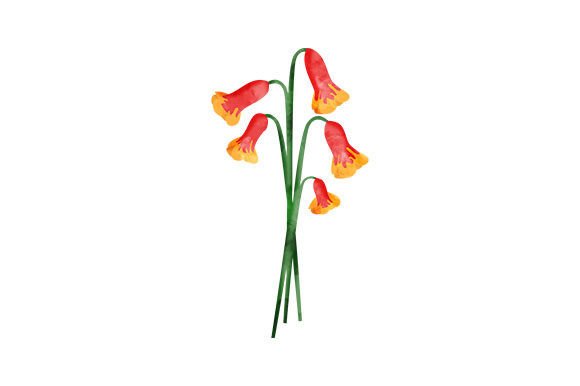
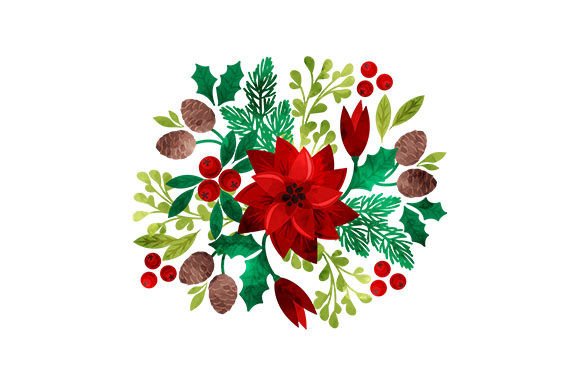
The layout and shapes suggest a wreath or a loose cluster, but the ‘watercolor’ aspect is key. This implies a design built with softer edges and blending, not hard, geometric satin stitch borders. For embroidery, this translates to fill stitches with a more organic flow. The ‘wildflowers’ theme suggests varied leaf shapes and perhaps floral accents that aren’t the typical poinsettia. The overall personality is gentle, modern, and would appeal to customers looking for a less overt, more artistic holiday vibe. It feels destined for projects where subtlety is valued—a boutique kitchen towel, a linen pillow cover, or a personalized baby blanket where loud colors might overwhelm.
Where This Design Finds Its Home
In practical application, I immediately picture this on natural fabric textures. A cotton or linen tote bag would carry this design beautifully, making a sophisticated holiday gift. On a high-quality sweatshirt, it becomes a statement piece that’s festive without being kitschy. For small business merchandise, like an embroidered patch or an apron, it elevates the product with a handmade, artistic feel. It’s also a strong candidate for home decor: a simple tea towel or a pillow cover for the season. The watercolor style, if rendered well in the embroidery file, adds perceived value; customers often see this technique as more ‘designed’ and premium compared to blocky graphics.
A Real Scenario: Crafting a Holiday Tote
Let’s walk through a real case. I’m preparing a custom embroidered tote as a holiday gift for a client’s boutique. The fabric is a sturdy canvas. I want the design to be central, about 4-5 inches wide. Christmas Wildflowers - Watercolor comes to mind because the boutique’s brand is earthy and modern. I’m thinking through stitching: will the softer details blur on this textured fabric? I’ll need a good stabilizer. The color palette—likely greens, soft reds, whites—needs to contrast well against the natural canvas. The success here hinges on the stitch density and clarity of the small floral elements. If they stitch out cleanly, the final product will feel exclusive and perfectly aligned with that brand’s aesthetic, boosting customer trust in the shop’s attention to detail.
Performance Considerations for Makers
This design’s charm lies in its detail, which also demands attention from the embroiderer. On curved surfaces like caps, small, intricate elements might get lost or distort. On very stretchy fabric or thin knits, the fill stitches for the watercolor effect could potentially cause puckering if the density is high. Dark fabric is a consideration—have you checked the thread colors in the file? A watercolor design meant for light backgrounds might not translate directly to dark ones without a color palette adjustment. For products needing frequent washing, like baby clothes or kitchen items, the integrity of those small details after multiple washes is something to test.
It’s not a design I’d automatically hoop small. Trying to cram a detailed, organic wreath into a 3-inch hoop might turn it into a muddle. It likely needs space to breathe, so medium hoop sizes are probably its friend. Always, always stitch it out on scrap fabric first—a linen scrap and a cotton-poly blend scrap—to see how the ‘watercolor’ fills behave and how the tiny wildflower accents actually look with thread.
Notes for Commercial and Gift Projects
For those using this for a craft business or Etsy listings, this design can create a cohesive look for a holiday line. A series of products—totes, towels, pillow covers—all featuring this same artistic motif builds brand consistency. Its giftability is high because it feels personal and handmade, not mass-produced. In a printable mockup for your digital product listing, it should show well. But remember: the commercial use of the finished embroidered item depends on the license of the embroidery file itself. That’s a critical step to confirm before you sell that sweatshirt or apron.
Affecting Your Project’s Appeal and Value
Using Christmas Wildflowers - Watercolor correctly impacts more than just the stitch-out. It affects visual appeal by offering a contemporary holiday option. Its stitching clarity directly influences customer perception; a clean, detailed stitch-out looks professional and increases the item’s value. A messy, puckered one does the opposite. For engagement, this design can attract a specific buyer—someone who prefers muted, nature-inspired holiday decor. It won’t be for everyone, but for that niche, it will resonate strongly.
My final, practical advice is to treat this as a design asset that requires a bit of prep work. Test it. Check the provided formats—SVG, PNG, EPS, DXF—for your specific machine embroidery software. View it in black and white mockups to assess contrast. Use the proper stabilizer for your chosen fabric. Think about whether the design’s intricacy matches your product’s scale. When all these boxes are checked, Christmas Wildflowers - Watercolor has the potential to become a standout element in your holiday projects, imbuing them with a quiet, sophisticated festivity that many modern customers are seeking.